


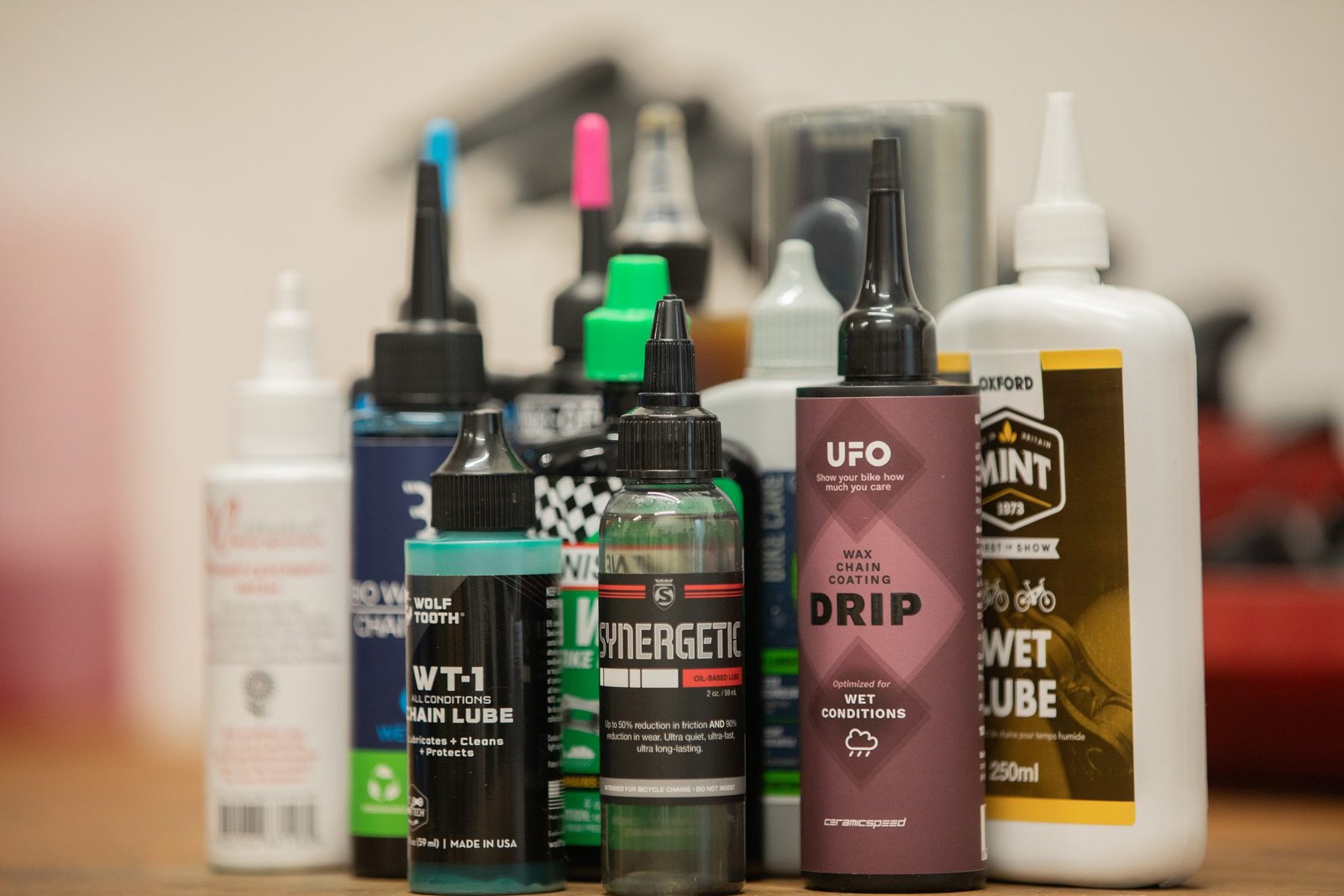
If you want to keep your machinery or bike chain running smoothly, you need to know about water based wax lubricant. This special type of fluid is designed to reduce friction while keeping things very clean. Unlike messy oils that attract dirt, this lubricant uses water as a carrier to deliver protective wax deep into moving parts. Once the water evaporates, it leaves behind a solid, dry layer of wax. This layer acts like a shield against dust and grime. Using a water based wax lubricant means you spend less time cleaning and more time enjoying your hobbies. It is a favorite for people who want high performance without the greasy cleanup.
Understanding the Magic of Water Wax
The term wat wax often refers to these high-tech formulas that prioritize cleanliness. When you apply it, the liquid flows easily into small gaps. Because it is a water soluble wax mixture, it handles moisture differently than traditional grease. It creates a smooth surface that allows parts to glide past each other. Many users find that water waxing their equipment helps it last much longer. By choosing a water based wax lubricant, you are picking a product that is often better for the environment too. It doesn’t use harsh chemicals to stay thin, making it a “green” choice for your garage or workshop.
Professional Overview Table
| Feature | Details |
| Product Type | Water based wax lubricant |
| Main Ingredient | Water soluble wax |
| Primary Use | Bicycles, industrial chains, and hinges |
| Cleanup Level | Very Easy (Soap and water) |
| Durability | High in dry conditions |
| Texture | Dry, non-tacky finish |
Why You Should Switch to Water Based Wax Lubricant
Switching to a water based wax lubricant can change how you maintain your gear. Traditional oils are like magnets for sand and dirt. If you ride a bike or run a machine, that dirt turns into a “grinding paste” that wears down metal. A water based wax lubricant stays dry to the touch. This means the dirt simply falls off instead of sticking. It is the secret weapon for anyone who wants their equipment to look brand new for years. Plus, water waxing provides a very quiet ride or operation, which is a sign of low friction.
Is it Really a Water Soluble Wax?
Yes, most of these products are a form of water soluble wax. This is great because if you spill some on your floor or hands, you don’t need toxic degreasers to clean it up. Warm water and a bit of soap usually do the trick. However, once the water based wax lubricant dries on your chain or tool, it becomes resistant to splashing. It is a smart design that offers the best of both worlds. You get a tough, protective coating that is easy to manage. Using a water based wax lubricant ensures that your maintenance days are much faster and less frustrated.
Comparing Water Waxing to Traditional Oils
When we talk about water waxing, we are talking about a different philosophy of care. Oils stay wet, while a water based wax lubricant dries hard. If you live in a dusty area, the dry wax is much better. Wet oils will turn black and thick very quickly. A water based wax lubricant keeps the metal silver and shiny. Even though you might need to apply it more often than heavy grease, the lack of mess makes it worth it. Most people find that a water based wax lubricant provides a smoother feel during fast movements.
Can You Use a Water Pik for Ear Wax?
It is important to stay safe when talking about “water” and “wax.” Some people ask about using a water pik for ear wax removal. While water is great for cleaning, you should be very careful. A water pik for ear wax can be too powerful for the delicate eardrum. It is always better to see a doctor or use tools specifically made for ears. Just because a water based wax lubricant is safe for your bike doesn’t mean high-pressure water tools are safe for your body. Always use the right tool for the specific job to stay healthy and safe.
The Versatility of Water Soluble Wax Pastels
In the world of art, water soluble wax pastels are very popular. These are different from the water based wax lubricant used on machines, but they share the same cool chemistry. Artists love them because they can draw with them like a crayon and then add water to create a watercolor effect. It shows just how flexible wax can be when mixed with water. Whether you are using a water based wax lubricant for a squeaky door or water soluble wax pastels for a painting, the goal is smooth application and easy cleanup.
How to Apply Water Based Wax Lubricant Correctly
To get the best results from your water based wax lubricant, you must start with a clean surface. If there is old oil on the metal, the wat wax won’t stick. Scrub the part thoroughly first. Then, apply the water based wax lubricant generously. Let it sit for at least an hour, or even overnight. This allows the water to evaporate, leaving the water soluble wax behind. If you rush it and use the machine while it is still wet, the lubricant will fly off. Patience is the key to a perfect water waxing job.
Keeping Your Environment Clean
One of the biggest wins for water based wax lubricant is the lack of “black gunk.” If you have ever bumped your leg against a greasy bike chain, you know how hard those stains are to remove. With a water based wax lubricant, the residue is much cleaner. It helps keep your clothes and your garage floor looking tidy. Since it is often a water soluble wax base, it doesn’t leave permanent oil spots. Choosing a water based wax lubricant is a favor to your future self who has to do the laundry!
Longevity and Performance Tips
A water based wax lubricant performs best when applied in multiple thin layers. Instead of one thick glob, try two thin coats of the water based wax lubricant. This builds a stronger structure of water soluble wax on the metal. You will notice that the parts move with a “silky” feel. This is the main reason why professional athletes and mechanics prefer water waxing. It offers a level of efficiency that heavy oils simply cannot match. Keep your water based wax lubricant bottle in a cool place so it stays fresh and ready to use.
Common Mistakes with Water Waxing
The biggest mistake people make is applying water based wax lubricant right before they go out. Remember, it needs time to dry! Another mistake is mixing it with oil. Oil and water based wax lubricant do not mix well. If you add oil on top of your water waxing, it will create a messy sludge. Stick to one method for the best results. If you use a water based wax lubricant correctly, you will be amazed at how quiet and fast your equipment becomes. It really is a game-changer for maintenance.
Final Thoughts on Wax Lubrication
In conclusion, using a water based wax lubricant is the smartest way to protect your investments. It offers a clean, dry, and efficient coating that resists dirt and grime. From the ease of water soluble wax cleanup to the high-speed performance of water waxing, the benefits are clear. While it might seem different from the oils your grandfather used, modern water based wax lubricant is much more advanced. Give it a try on your next project and see the difference for yourself!
Frequently Asked Questions (FAQs)
1. Is water based wax lubricant waterproof?
Once it has dried completely, it is quite resistant to water. However, if you ride in heavy rain for a long time, you should dry your gear and re-apply the water based wax lubricant to ensure continued protection.
2. How often should I apply wat wax?
For a bicycle, every 100 to 150 miles is a good rule of thumb. If you are using it on household hinges, a water based wax lubricant can last for many months since they aren’t exposed to the elements.
3. Can I use water soluble wax pastels on metal?
No, water soluble wax pastels are for art and paper. For metal parts, you must use a dedicated water based wax lubricant designed for mechanical friction.
4. Why is my water based wax lubricant turning white?
That is actually a good sign! As the water evaporates, the water soluble wax turns white or clear as it hardens. This means the water waxing process is working correctly.
5. Is a water pik for ear wax safe for everyone?
You should always consult a doctor first. While a water pik for ear wax is a common thought, the pressure can be dangerous. It is not related to the mechanical water based wax lubricant discussed here.
6. Does water based wax lubricant prevent rust?
Yes, it creates a physical barrier over the metal. By water waxing your parts, you keep oxygen and moisture away from the surface, which helps prevent rust and corrosion.
